Natural Cruises: Nature and Wildlife at Sea
Whales, seabirds, turtles and reefs: how to cruise for wildlife, and watch it the right way.
Get Wildlife Cruise QuotesCruising for the Wild Side of the Ocean
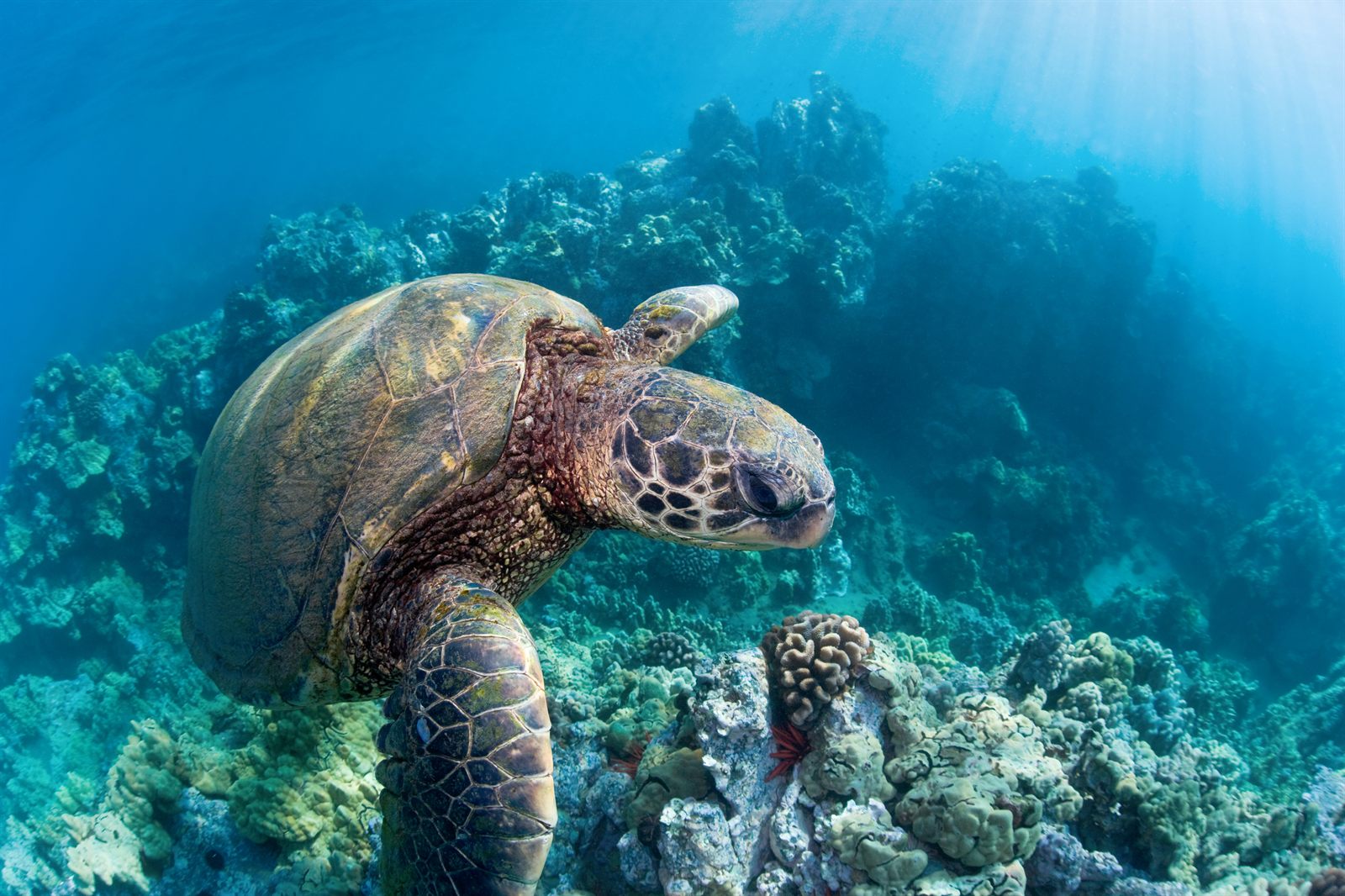
Some travelers book a cruise for the pools and the shows. Others book it for the moment a humpback lifts its tail beside the ship, a raft of seabirds explodes off the water, or a turtle drifts past their mask on a reef. Natural Cruises is for the second group.
This site explains where and when to see marine wildlife from a cruise, which kinds of ships put you closest to it, and how to watch animals without disturbing them. We cover whale watching in Alaska, Hawaii, Baja California, Iceland and Norway, birding at sea, coral reefs and marine parks, the rules that protect wildlife in US waters and the best months region by region. For the Galapagos and the polar regions, our sister sites go deeper, and we point you to them.
Explore by Interest
Whale watching
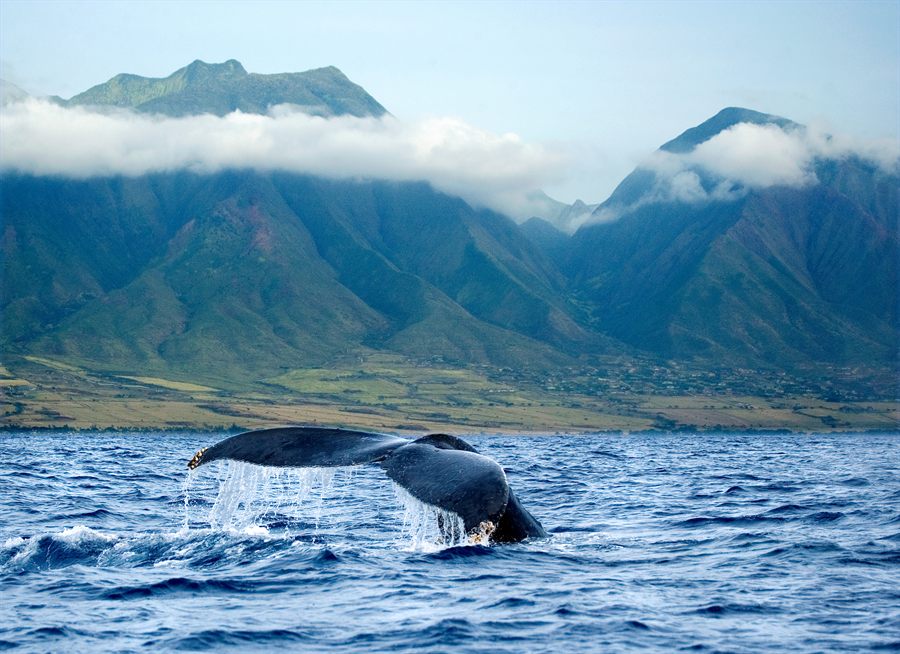
Humpbacks in Alaska and Hawaii, gray whales in Baja, orcas and humpbacks in Norway’s winter fjords.
Where to see whales →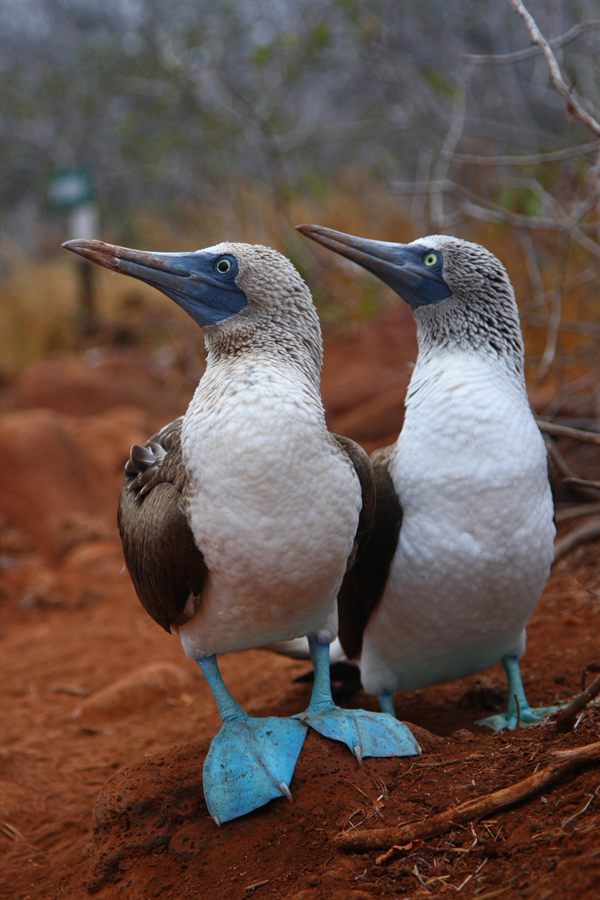
Reefs and marine parks
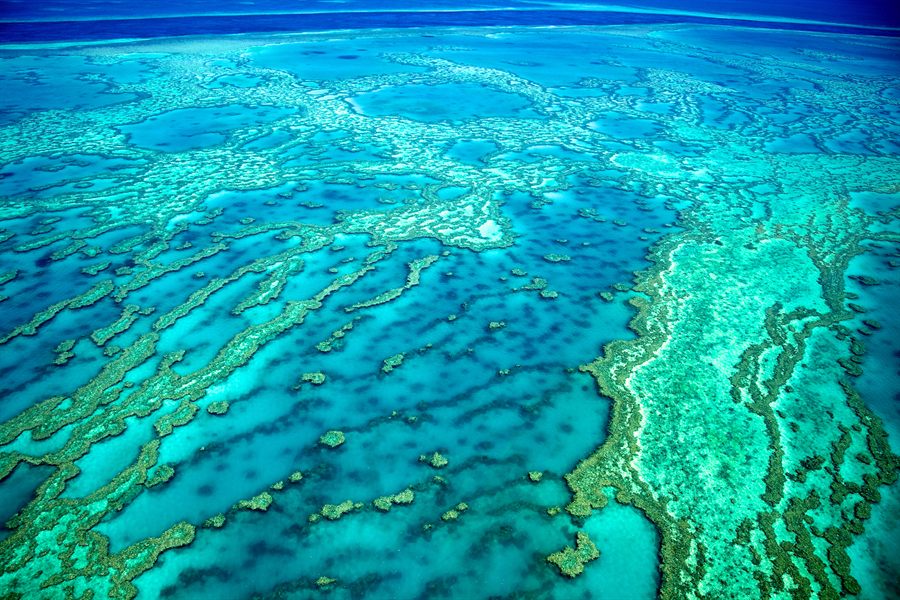
Snorkel and dive protected reefs from cruise ports, and keep them healthy.
Reef guide →What Kind of Ship Suits a Nature Lover?
Large ocean ships reach classic wildlife regions such as Alaska’s Inside Passage, Hawaii and the Mexican Riviera. Wildlife sightings happen from the deck and on shore excursions, often with a naturalist on board in Alaska. They are the most affordable way to start.
Small and expedition ships carry far fewer guests, use inflatable boats to land on wild shores and usually sail with a team of naturalists. They can linger when whales appear and slip into bays big ships cannot enter. Our sister site A Voyage Travel compares expedition voyages with other cruise styles.
Coastal and island voyages in places such as Norway, Iceland and the Pacific islands fall between the two, mixing towns with seabird cliffs and whale grounds.
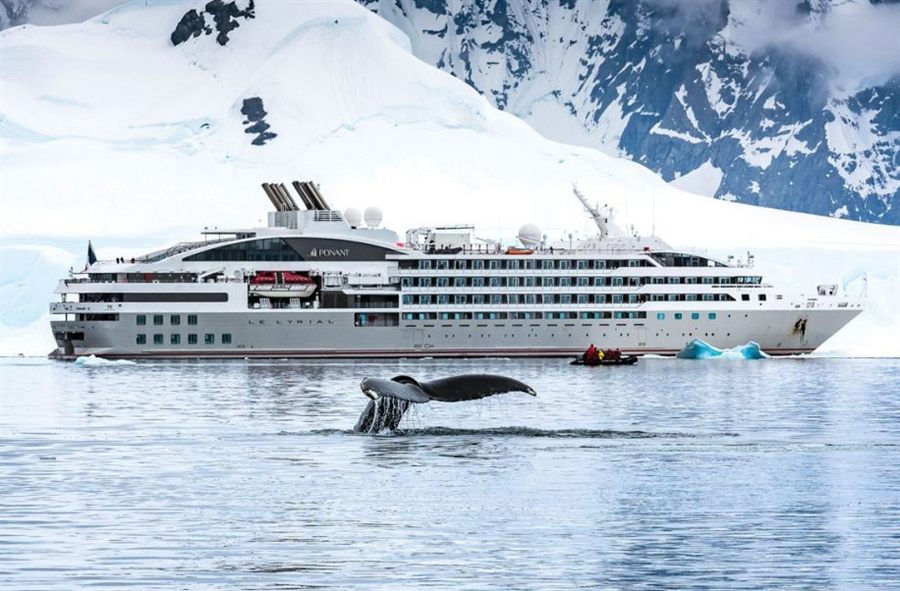
Wildlife Highlights at a Glance
| Region | Signature wildlife | Typical cruise season |
|---|---|---|
| Alaska | Humpback whales, orcas, sea otters, bald eagles, bears ashore | Roughly May to September |
| Hawaii | Humpback whales in winter, sea turtles, spinner dolphins, reef fish | Year-round; humpbacks roughly November to May |
| Baja California and Sea of Cortez | Gray whales in winter lagoons, sea lions, seabirds | Winter and spring for gray whales |
| Iceland | Humpback and minke whales, puffins and other seabirds | Summer |
| Northern Norway | Orcas and humpbacks following herring in winter, sea eagles | Winter for whales; summer for seabirds |
| Caribbean | Reefs, sea turtles, rays and tropical fish | Year-round |
Seasons shift with the animals, so treat these as guides. Our wildlife seasons page goes month by month.
Watch Without Disturbing
Good wildlife viewing is quiet, patient and distant. In US waters, NOAA Fisheries marine life viewing guidelines ask people to stay at least 100 yards from whales and 50 yards from dolphins, seals, sea lions and sea turtles, and federal rules require vessels to keep 100 yards from humpback whales in Hawaii and Alaska. Reputable cruise lines and tour operators follow these rules; our page on responsible wildlife viewing explains what that looks like from a deck, a kayak or a snorkel.
Galapagos, the Arctic and Antarctica
Some of the world’s greatest wildlife voyages head to places with their own rules, ships and seasons. Our sister sites cover them in depth: Galapagos Adventure Cruises for the islands that inspired Darwin, Polar Cruise Adventures for polar bears, walrus and the Arctic, and Cruising Antarctica for penguins and the White Continent. Our expedition wildlife page explains how they differ from the regions covered here.
Pack for Wildlife
- Binoculars for every person: 8x or 10x magnification is the usual choice for use on a moving ship.
- A camera with a zoom lens, plus a lens cloth for salt spray.
- Layers, a waterproof jacket and a warm hat for cool northern decks.
- A reef-friendly mineral sunscreen and a rash guard for snorkeling.
- A small field guide or app for seabirds and marine mammals in your region.
Our sister site Cruising Checklist has full packing lists by destination.
Who Is Behind This Site
Natural Cruises is part of the Smart Traveler network, led by Mister Cruise. He has sold travel since 1972 and worked full-time in the industry since 1977. He has sold or originated more than $500 million in cruises and has trained more than 500 travel agents.
When you ask for a quote, our cruise advisors at Mister Cruise handle it personally — not a call center — and book everything for you. Meet Mister Cruise →
Plan a Wildlife Cruise
Tell us which animals you most want to see and when you can travel. Our cruise advisors at Mister Cruise will match the region, season and ship and send free quotes.
Get Wildlife Cruise Quotes